


Sign up to our newsletter to be the first to hear of the best offers, exciting news, and new openings.
Read our privacy policy.
London doesn’t have a single centre. It has dozens of small, distinct ones, and the area you choose shapes your trip more than almost any other booking decision you’ll make. A hotel five minutes from the wrong tube line can cost you an hour a day; a neighbourhood with no character of its own can leave a week in London feeling like a week anywhere. This guide breaks down six areas worth basing yourself in, what each one is good for, and where to think twice.
Best Areas to Stay in London: At a Glance
- Clerkenwell: suits travellers who want cocktail bars and independent character, five minutes’ walk from Farringdon.
- Marylebone: suits a quieter, village-paced stay, three minutes from Marble Arch and close to Chiltern Street.
- Bloomsbury: suits museum-goers and families, six minutes from Russell Square and moments from the British Museum.
- Covent Garden: is the easiest first choice for first-time visitors: central, walkable, and close to most major sights.
- Shoreditch and South Bank: round out the list for nightlife, street art, river views and big attractions.
- Safety: stick to central, well-lit, well-trafficked areas as a general default, and check current Met Police neighbourhood data before ruling any specific area in or out.
- Budget considerations: budget-conscious travellers get better value staying just outside Zone 1, such as around Kings Cross or Paddington, and taking the Tube in.
There’s no single best place to stay in London, and if you’re still asking where is the best place to stay in London before you’ve looked at a map, the honest answer is that it depends on what you’re actually doing while you’re here.
Table of Contents
- What Are the Best Areas to Stay in London?
- Clerkenwell: Best for Cocktail Bars and Independent Character
- Marylebone: Best for a Quiet, Village-Paced Stay
- Bloomsbury: Best for Museums and a Family-Friendly Base
- Covent Garden: Best Area for First-Time Visitors
- Shoreditch: Best for Nightlife and Street Art
- South Bank: Best for River Views and Big Attractions
- Where Shouldn’t You Stay in London?
- Ready to Plan Your London Stay?
- Frequently Asked Questions
What Are the Best Areas to Stay in London?
The best area to stay in London depends on three things: how close you need to be to a Tube line, what you’re willing to spend, and whether you want a lively neighbourhood or a quiet one to come home to. Get those three right and almost anywhere in Zone 1 or 2 works.
Transport time matters more than distance on a map. A 20-minute walk from a major sight can feel closer than a 15-minute journey involving two Tube changes, so check the actual route before you book.
If you’re weighing up where to stay in London on a budget, basing yourself just outside Zone 1 and taking the Tube in stretches your money further.
| Area | Best For | Nearest Tube | Pace |
| Clerkenwell | Cocktail bars and independent character | Farringdon | Creative, sociable |
| Marylebone | A quiet, village-paced stay | Marble Arch | Calm, unhurried |
| Bloomsbury | Museums and family trips | Russell Square | Considered, literary |
| Covent Garden | First-time visitors | Covent Garden | Busy, central |
| Shoreditch | Nightlife and street art | Shoreditch High Street | Energetic, late |
| South Bank | River views and big attractions | Waterloo | Open, walkable |
Clerkenwell: Best for Cocktail Bars and Independent Character
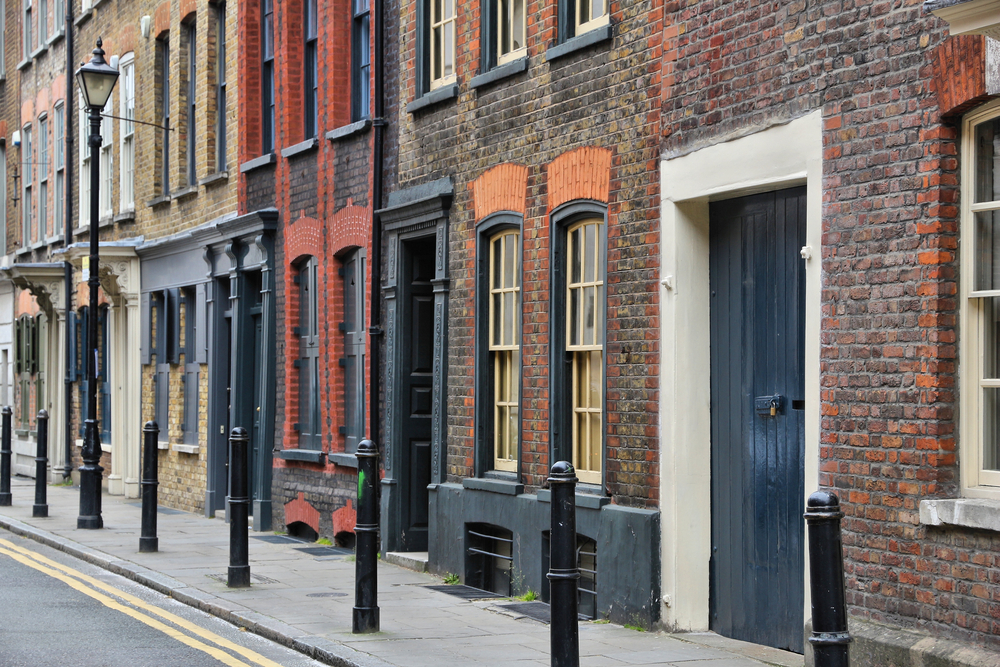
Clerkenwell is regularly named one of the best neighbourhoods in London ffor visitors seeking a unique local vibe instead of an interchangeable city location. It’s built around St John’s Square, a cluster of Georgian and Victorian streets that still feels more like a village workshop district than central London.
The area has kept its independent character: Exmouth Market’s food stalls and small restaurants, Smithfield’s centuries-old market building, and Hatton Garden’s jewellers all sit within a short walk of each other.
Positioned near St Pancras International, it serves as a highly convenient base for those arriving via Eurostar. Should you prefer to enjoy a drink without venturing beyond the neighborhood, The Zetter Clerkenwell‘s ground-floor venue, The Parlour, features an apothecary-inspired menu offering tailored tinctures and infusions.
Quick facts
- Best for: cocktail bars, independent shops, and a creative, sociable evening atmosphere
- Nearest tube: Farringdon, 5 minutes’ walk (also serves the Elizabeth line)
- Good to know: around 5 minutes from St Pancras International, useful if you’re arriving by Eurostar
Marylebone: Best for a Quiet, Village-Paced Stay
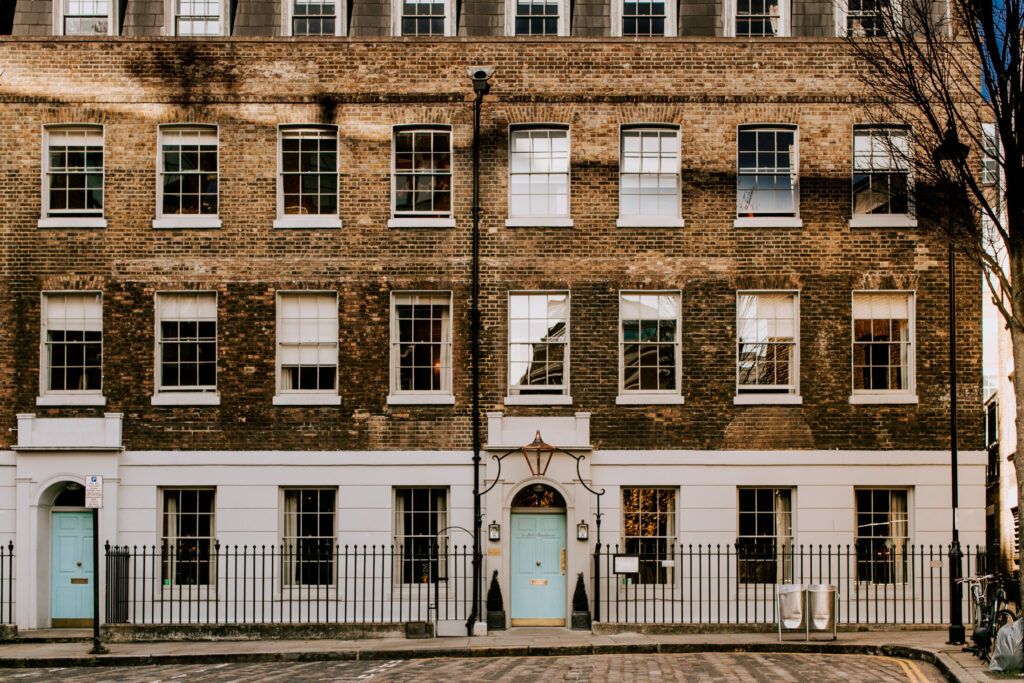
If you’re wondering where to stay in London without the noise of the West End, Marylebone is hard to beat. Brimming with independent shopfronts along Chiltern Street and unhurried pavements, it remains one of the rare pockets of Zone 1 that retains a distinct village atmosphere.
Marylebone High Street runs the length of the neighbourhood, mixing bookshops and cafes with the kind of quiet you don’t expect this close to Oxford Street. The Wallace Collection, a free museum housed in a historic townhouse, sits a few minutes from The Zetter Marylebone’s front door, and Regent’s Park is within easy walking distance for anyone who wants greenery over shopfronts.
Quick facts
- Best for: a slower pace, independent shopping, and travellers who want central London without the crowds
- Nearest tube: Marble Arch, 3 minutes’ walk; Bond Street, 8 minutes’ walk
- Good to know: Chiltern Street, Marylebone High Street, The Wallace Collection, Regent’s Park and Selfridges are all within reach on foot
Bloomsbury: Best for Museums and a Family-Friendly Base
Bloomsbury is a strong choice for the best area to stay in London with family, mainly because the British Museum, free to enter and a short walk from most Bloomsbury hotels, does a lot of the heavy lifting on a trip with children.
The area’s literary history (Virginia Woolf and the Bloomsbury Group both worked here) gives it a calmer, more considered feel than the tourist-heavy streets further south. The Zetter Bloomsbury occupies six restored Georgian townhouses around Russell Square, a quiet green square that makes an easy stop between museum visits.
Quick facts
- Best for: families, museum visits, and a quieter, more literary neighbourhood
- Nearest tube: Russell Square, 6 minutes’ walk; Holborn, 9 minutes’ walk
- Good to know: the British Museum, Russell Square and Covent Garden are all within walking distance

Covent Garden: Best Area for First-Time Visitors
When choosing where to stay in London for the first time,l comes down to proximity: how far you can get on foot. Covent Garden delivers on that front like few other places.
It sits within walking distance of the West End’s theatres, Trafalgar Square and the river, so a first-time visitor can cover most of the classic London checklist on foot. Covent Garden Underground station sits in the middle of the neighbourhood itself, which makes it a straightforward base even if you haven’t worked out London’s Tube map yet.
Quick facts
- Best for: first-time visitors who want to walk to the major sights rather than plan Tube journeys
- Nearest tube: Covent Garden
- Good to know: within walking distance of the West End, Trafalgar Square and the South Bank
Shoreditch: Best for Nightlife and Street Art
Shoreditch shows up on almost every list of the best neighbourhoods in London for nightlife, and the reputation holds up: Brick Lane’s food stalls, Boxpark’s shipping-container bars, and Redchurch Street’s independent shops all sit within a short walk of each other.
It’s louder and later than any other area in this guide, which is exactly the point for travellers prioritising bars and street art over a quiet night in.
The neighbourhood grew out of the Old Street roundabout’s tech and creative scene, and the murals and gallery spaces around Redchurch Street are still worth a wander in daylight, not just after dark. It’s a better fit for a second or third London trip than a first one, since the area rewards knowing roughly where you’re headed.
Quick facts
- Best for: nightlife, street art, and a livelier, later-paced stay
- Nearest tube: Shoreditch High Street (London Overground) sits right by Boxpark Shoreditch, the neighbourhood’s main landmark; Old Street (Northern line) is about a 15-minute walk from the same spot
- Good to know: Brick Lane, Boxpark and Redchurch Street are the main anchors
South Bank: Best for River Views and Big Attractions
For where to stay in central London without needing the Tube every day, the South Bank is hard to beat: Tate Modern, Borough Market, the London Eye and the Southbank Centre all sit along the same stretch of riverside walkway.
It’s one of the most walkable areas in this guide, since the river itself works as a navigation line and most major attractions sit within sight of it. Borough Market is worth timing a visit around if food is part of the appeal, and the view across to St Paul’s Cathedral from the Millennium Bridge is one of the better free things to do in London after dark. Unlike Shoreditch, it suits a first visit just as well as a repeat one, since there’s little risk of getting lost.
Quick facts
- Best for: river views, walkability, and proximity to major attractions like Tate Modern and Borough Market
- Nearest tube: Waterloo is about 200 metres (roughly 2-3 minutes’ walk) from the Southbank Centre; Southwark is about 600 metres (roughly 7-8 minutes’ walk) from Tate Modern; London Bridge sits right next to Borough Market
- Good to know: the riverside path connects most of the area’s main sights without needing public transport
Where Shouldn’t You Stay in London?
There isn’t a simple list of areas to avoid in London, and where not to stay in London is less about specific postcodes and more about a few practical habits.
- Check the walk from the station, not just the postcode: a hotel can be technically “central” and still involve a long, poorly lit walk after dark. Look at the actual route on a map before booking.
- Be cautious with unusually cheap central listings: if a Zone 1 rate looks far below everything nearby, check reviews carefully before booking.
- Avoid basing yourself somewhere purely for the nightly rate: a cheaper area with a 45-minute commute to everything you want to see can cost more in time and transport than the saving is worth.
- Verify current safety advice before you travel: conditions change, and this guide can’t substitute for checking gov.uk travel advice or Met Police neighbourhood data closer to your trip.
None of the six areas covered in this guide carry particular safety concerns as a rule; the advice above applies to London as a whole, not to any specific neighbourhood on this list.
Ready to Plan Your London Stay?
Among the best places to stay in London, three neighbourhoods happen to be home to The Zetter: Clerkenwell, Marylebone and Bloomsbury, each with its own character rather than a generic hotel style.
Whichever of the six areas you settle on, it’s worth glancing at what’s on across The Zetter’s London hotels before you book, and at drinking and dining at The Zetter if you’d rather not leave the building for a good meal on your first night.
Frequently Asked Questions
What Is the Safest Area to Stay in London?
There’s no single safest area to stay in London; central, well-lit, well-trafficked neighbourhoods are a sound default for a first visit. Check current Met Police neighbourhood crime data or gov.uk travel advice before your trip rather than relying on any single guide, including this one.
What Is the Most Walkable Area to Stay in London?
South Bank and Covent Garden are the two most walkable areas among the best areas to stay in London for tourists, since both sit close enough to major sights that you can cover a full day on foot without needing the Tube.
What’s the Best Area for First-Time Visitors to London?
Covent Garden is the strongest choice for first-time visitors, thanks to its central position and walking distance to the West End, Trafalgar Square and the river. See the Covent Garden section above for the full case.
How Many Days Do You Need in Each Area of London?
Two to three days is enough to get a real feel for one area. If you’re visiting for a week or longer, splitting your stay across two neighbourhoods, one central and one quieter, works well.
Which Area Is Best for Nightlife in London?
Shoreditch has the livelier, later-running scene of the two nightlife-focused areas in this guide, with bars and street food staying busy well past midnight, while Clerkenwell suits an earlier, more considered night built around a proper cocktail rather than a late one. See the Shoreditch and Clerkenwell sections above for the full comparison.